


Skin conditions in cats can range from allergies and flea-related irritation to infections, hair loss, and unusual lumps or bumps. You may notice your cat scratching more than usual, over-grooming, developing bald patches, or experiencing changes in their skin or coat. At Sugar River Animal Hospital in Grantham, NH, our veterinary team can help identify the cause of your cat's skin concerns and recommend appropriate treatment. Understanding what to look for and when your cat needs veterinary attention can help keep them comfortable and support their overall skin health.
What are the most common skin conditions in cats?
The most common skin conditions we see in cats are eosinophilic granulomas, flea allergy dermatitis, and over-grooming.
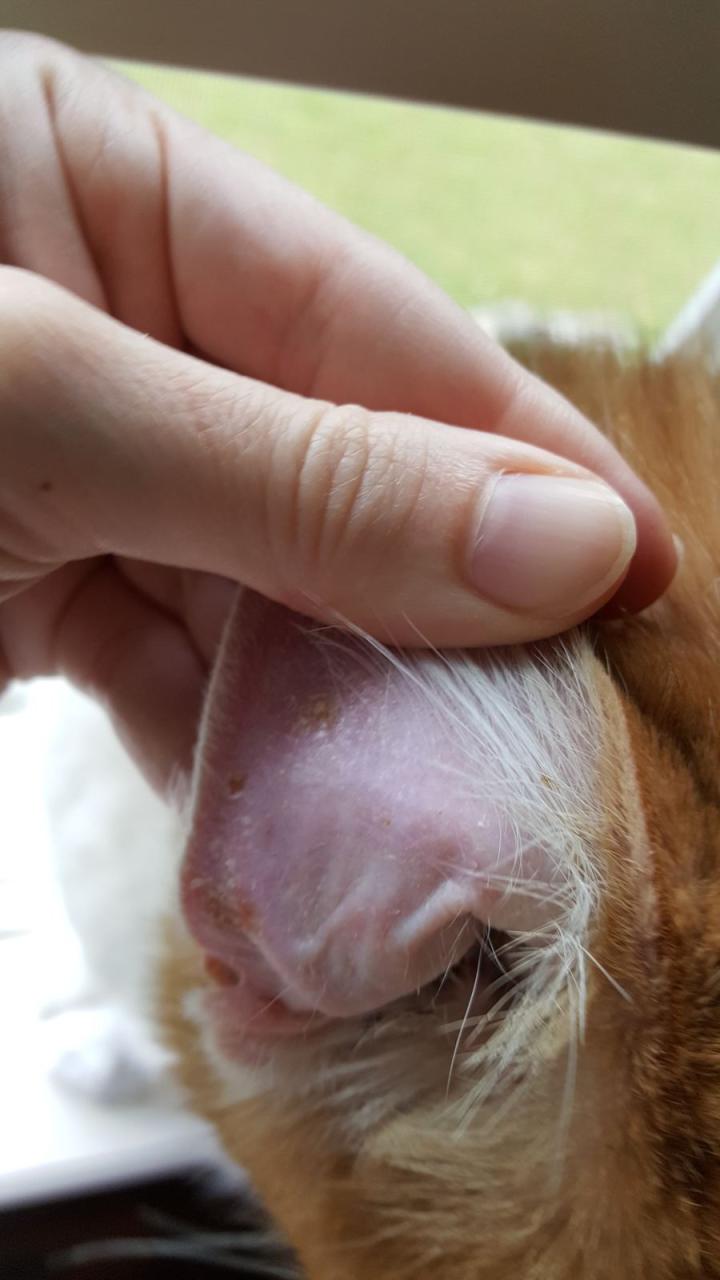
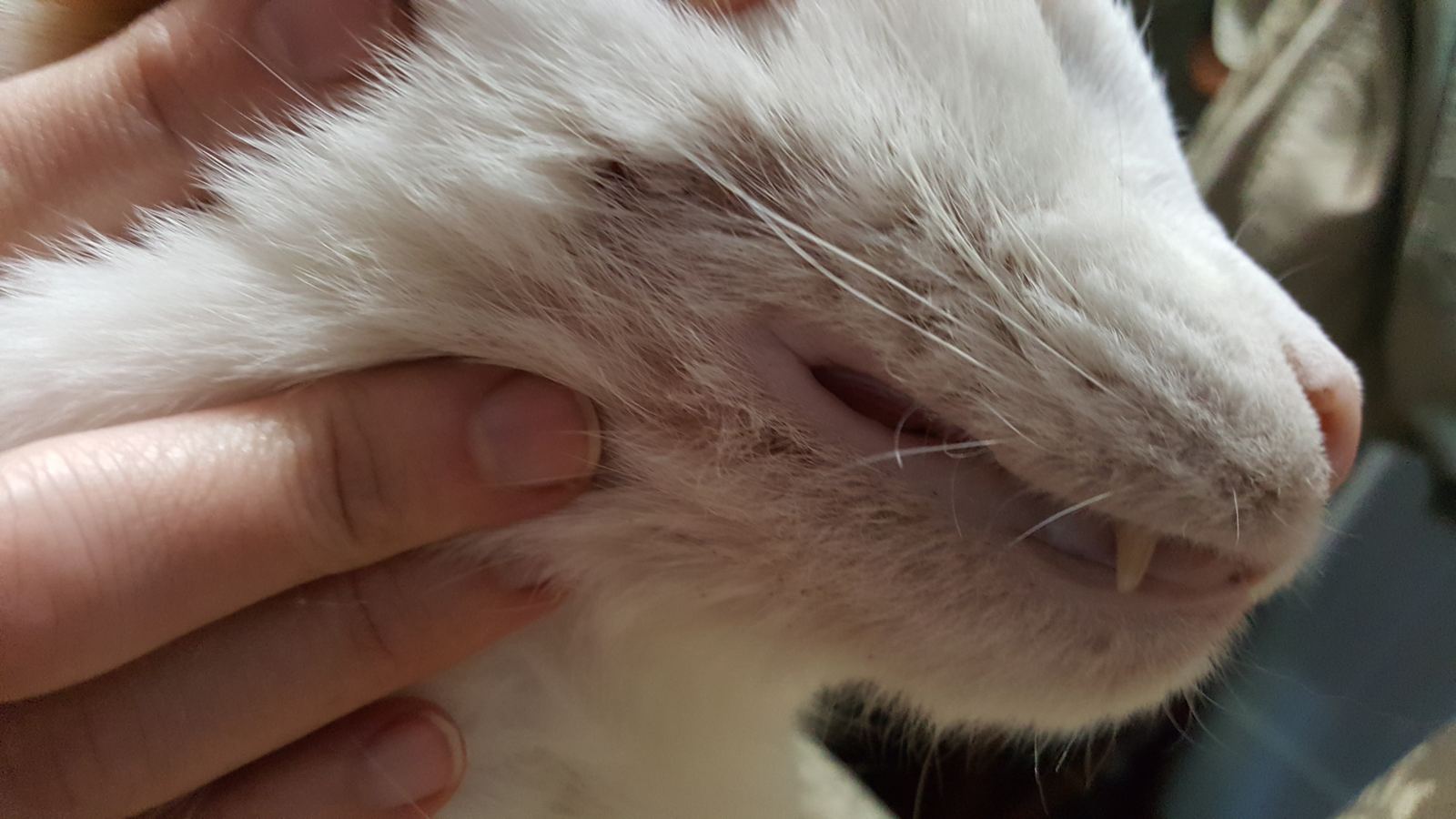
Does my cat need to see a dermatologist for skin problems?
Usually, a general practitioner can address the skin issues your cat is experiencing. However, if the problem is not resolving, we may recommend a referral to a veterinary dermatologist.
Is your cat experiencing skin irritation or excessive scratching? Contact us at (603) 287-1181 to schedule an appointment or email us at [email protected] to help your cat get the care they need.
What should I do if my cat has a skin tumor or lump?
If your cat has a skin tumor or lump, we recommend bringing them in for a checkup. We will most likely aspirate the lump by putting a needle into it and collecting cells to examine under the microscope.
Based on what we see, if the lump looks benign and is in a location that is not difficult to remove, we may simply monitor it if it grows down the line. If it is in a difficult location to remove or looks like it is cancerous, we will recommend surgical removal.
What causes my cat to itch and scratch excessively?
Usually, if a cat is itching or scratching excessively, there is an underlying cause. It could be fleas or allergies.
How can I tell if my cat has a skin infection?
When cats have skin infections, they usually have hair loss. You might also notice that the skin looks red or irritated. Sometimes, there can be a bad smell. If you notice these signs, we recommend bringing your cat in for an examination.
How are skin infections in cats diagnosed?
Skin infections in cats are usually diagnosed during a physical exam. We may also perform additional diagnostics, such as a skin scraping or impression smear, to look at what we are seeing under the microscope.
How is feline dermatitis diagnosed?
Feline dermatitis is usually diagnosed with a physical exam and sometimes skin scrapings and impression smears.
What treatments are available for cats with skin conditions?
Treatment depends on the skin condition. If it is an infection, we will usually treat it with antibiotics. If it is allergies, we might recommend immunotherapy or a special hydrolyzed diet if the allergies are food-related.
Some cats with chronic skin issues need to be managed with a steroid.
Can diet affect my cat's skin health?
Yes, diet can affect your cat's skin health. You might notice dry and brittle fur, chronic skin issues, or ongoing itchiness from certain foods. Food can play a big role in skin health.
What are the signs of mange or mites in cats?
Mites in cats tend to be ear mites. You might see a lot of debris in the ears, or your cat may shake their head or scratch at their ears frequently. These can also be signs of an ear infection. Without examining your cat and checking the debris under the microscope, we cannot know for sure.
Mange in cats can look like hair loss or generalized itchiness. Sometimes it affects just the face and ears. We usually use a skin scraping and look at it under the microscope to diagnose it.
What are the signs of ringworm in cats?
Ringworm does not always cause circular hair loss. It can look like patchy or unusual hair loss. We have to culture it and look under a microscope to determine whether it is ringworm. As lesions develop, there is a much higher chance that it is ringworm.
Ringworm is not prevalent in our area of the country. However, with more people bringing pets up from the South, we are seeing more of it.
What are the symptoms of flea allergy dermatitis in cats?
Flea allergy dermatitis usually presents as extreme itchiness. Sometimes there is hair loss and lots of tiny bumps all over your cat. This is called miliary dermatitis, and it is pretty common with flea allergy dermatitis. You may also see fleas.
How can I prevent my cat from getting fleas and ticks?
The best way to prevent fleas and ticks in cats is usually to use a topical flea and tick prevention medication.
What should I do if my cat has bald patches?
If your cat has bald patches, you should bring them in to see a veterinarian. Unlike dogs, cats do not usually just excessively rip their hair out, so there is usually an underlying cause.
It could be ringworm, mites, an underlying infection, or stress-induced over-grooming. We should definitely see them.
How can I treat my cat's dry or flaky skin?
It depends on what is causing the dry or flaky skin. If it is diet-related, we can change the diet, and sometimes fish oil helps. If it is due to a skin infection, that needs to be addressed.
What are the common causes of hair loss in cats?
Common causes of hair loss in cats are over-grooming, flea allergy dermatitis, and allergies.
How often should I bathe my cat to maintain healthy skin?
Honestly, you do not really need to bathe your cat at all. The only time we recommend bathing is if it is part of a medical treatment for a skin condition, which usually we are not that mean to cat owners about. Or if your cat gets really filthy doing something they should not be doing.
What should I do if my cat has a hot spot?
If your cat has a hot spot, the first thing to do is try to prevent them from licking and chewing the area. That usually involves either a cone or, if your cat will tolerate it, some type of clothing.
You should most likely schedule an appointment with your veterinarian because there is usually an underlying cause that needs to be treated.
Are there home remedies for minor skin irritations in cats?
Antihistamines, just like in dogs, do not work well in cats. You can try to block their ability to lick or scratch the area. Usually, within a few days, if you can do that and it is a minor issue, it should resolve on its own. If it is not resolving, then your cat needs to be seen.
Should I worry about skin cancer if my cat has skin issues?
Not necessarily. Skin cancer in general is not the same as what we think of in people. Usually, skin issues are not cancer-related and have an allergy or environmental component.
Is a cat skin tag a cause for concern?
Not necessarily. Skin tags are usually more irritating to people and sometimes to the cat. They are typically benign, but it is always worth having them looked at by your veterinarian.
Some skin problems may improve with treatment at home, while others require veterinary testing and ongoing care to address the underlying cause. If your cat is experiencing persistent itching, hair loss, irritated skin, or a lump that needs evaluation, our team is here to help. Contact Sugar River Animal Hospital at (603) 287-1181 to set an appointment, or email us at [email protected] to discuss your cat's skin concerns.
Yes. Cats can experience skin problems due to allergies, even when fleas are not the cause. Environmental allergies and food-related allergies can contribute to itching, scratching, and other skin concerns. Your veterinarian can help determine what may be causing your cat's symptoms.
Yes. Stress-induced over-grooming can be a cause of hair loss in cats. However, bald patches can also be related to fleas, mites, ringworm, or an underlying infection. If your cat is losing hair, a veterinary examination can help identify the cause.
Yes. Flea allergy dermatitis can cause extreme itchiness, hair loss, and tiny bumps on your cat's skin. This condition is sometimes called miliary dermatitis and is commonly associated with flea allergies.
Dry and brittle fur can be related to your cat's diet or an underlying skin problem. Food can play a role in skin health, and some cats may benefit from a diet change or fish oil. If your cat also has itching or other skin concerns, your veterinarian can help determine the appropriate treatment.
Yes. Ringworm does not always cause circular hair loss. It may appear as patchy or unusual areas of hair loss. A veterinarian can perform testing, including a culture and microscopic examination, to determine whether ringworm is present.
Most cats do not need regular baths. Bathing may be recommended as part of a medical treatment for certain skin conditions or if your cat becomes unusually dirty. Your veterinarian can help determine whether bathing is appropriate for your cat's specific skin concern.
If your cat has persistent itching, hair loss, irritated skin, unusual ear debris, or a lump that needs evaluation, schedule an appointment with your veterinarian. Skin problems can have several underlying causes, and identifying the cause helps determine the appropriate treatment.